
UP! UNRAVELLING PARENTHOOD
A card deck for the everyday work of raising children
Join the launch
May 26th, 6–8 PM CEST
We are opening the doors to the UP! platform — a free online card deck designed to support parents in the everyday work of raising children, with a special focus on non-traditional families.
Join us for the launch event: explore the UP! cards together, experience the platform live, and get free access it. The main session will be in English, with breakout moments in Italian, German, and English: a chance to try the cards and share your feedback.
what is up!?
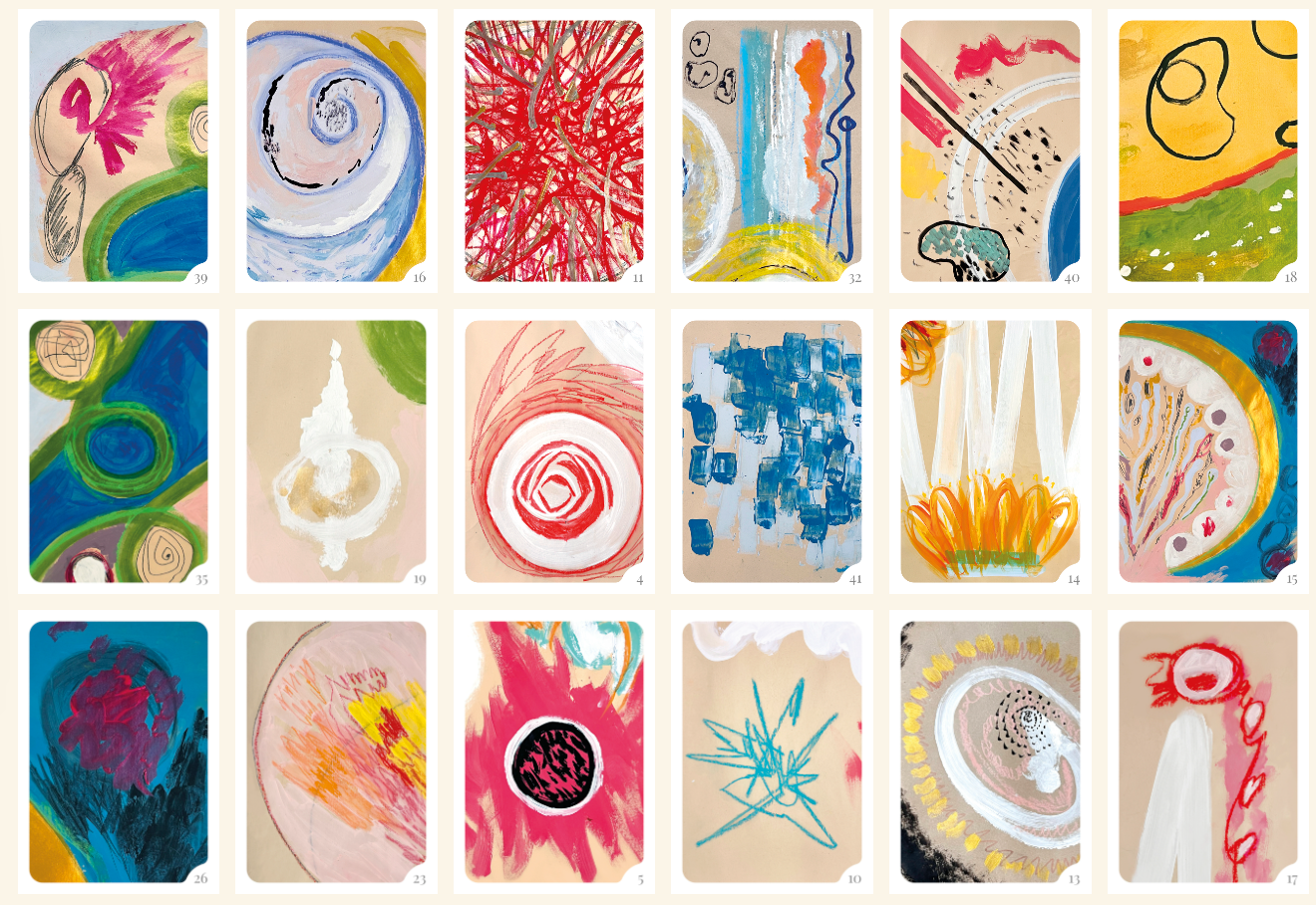
UP! is a digital card deck for parents, caregivers, and professionals working with families, especially non-traditional ones: single-parent, queer, rainbow, blended, and patchwork families. It is a practical, poetic, and powerful tool for reflection, dialogue, and transformation, usable in one-to-one sessions, group work, or self-exploration.
It is the result of a two-year project funded by the Erasmus+ programme, developed drawing on the Mother Nature approach, Mindful Compassionate Parenting, and Visual Sensing.
How these cards came to be
These cards are the result of a journey of research, listening, and sharing. It began with a question: what kind of support do non-traditional families need?
We drew on the approaches of our team: mindfulness, self-compassion, positive psychology, Mindful Compassionate Parenting, Mother Nature, Visual Sensing, Theory U; and we met experts, activists, therapists, and researchers from across Europe. We tested what emerged by facilitating sharing circles with parents from very different backgrounds, watching how these insights landed in people's lived experience.
Each story offered new perspectives. We went beyond spoken words, opening into an intuitive and emotional dimension, letting colors, bodies, gestures, and intuition speak. It was a journey into non-binarity and multi-perspectivity.
And eventually, the initial question turned itself around: what new insights can the perspectives of non-traditional parents bring to the parenting journey as a whole?
We have woven this journey into 42 cards, and we now place them in your hands.

How we built it
April 2025 — Expert gathering
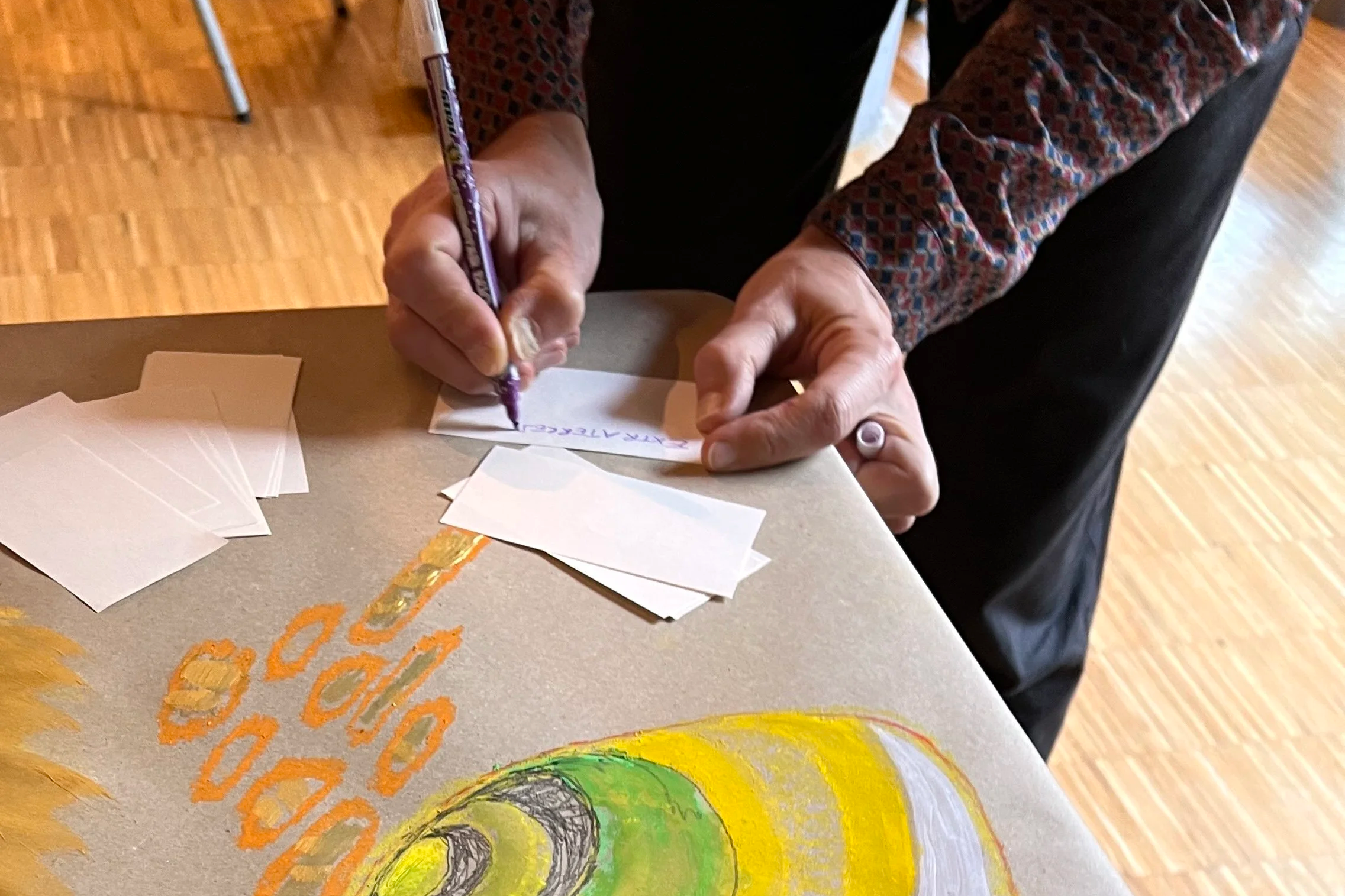
In Vienna, we brought together 10 experts from three European countries: therapists, researchers, activists, and educators with backgrounds spanning queer parenting, family counseling, mindfulness, and social work. Together we mapped the challenges of parenting today and began shaping what the cards needed to hold.
May–October 2025 — Sharing circles
Eight free online circles, open to all parents and caregivers, where we explored complex themes through storytelling, deep listening, and Visual Sensing: a technique that uses visual perception and imagery to evoke lived experience and open new language.

The themes we explored:
Disruption and the search for balance
External pressures
Systemic pressure within the family
Self-imposed stress
Patriarchy and privilege
Exhaustion and recovery
Difficult emotions
Uncertainty and fear
The stories that emerged directly shaped the cards.
november 2025-April 2026 — work in progress
We read the stories, sat with the themes, and began writing. Drawing on the expertise gathered in Vienna and the voices from the circles, we shaped 42 cards: each one a small invitation to pause, reflect, and see yourself and your parenting more clearly. We worked across three languages, three countries, and three very different organizational cultures. It was slow, careful, surprising, nourishing work.
May 2026 — The platform
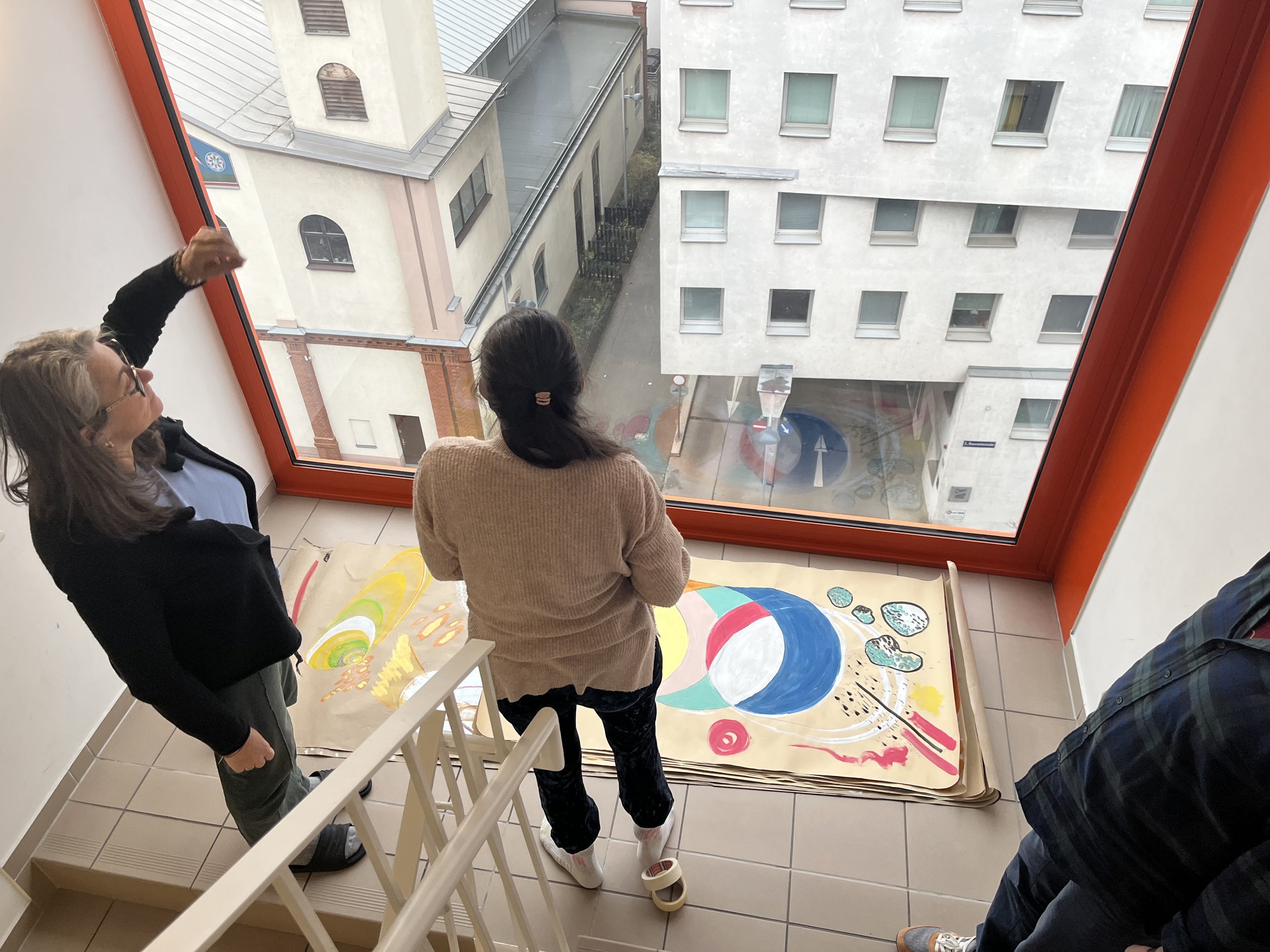
The UP! deck was published: 42 cards, illustrated with Visual Sensing imagery that grew out of the sharing circles. The cards now live on an online platform, making it simple to run circles and sessions, online or in person, individually or in groups.
Partner
UP! — Unravelling Parenthood is a partnership between LIMINA (Austria), weMIND (Germany), and Casa del Cuculo (Italy), co-funded by the European Union through the Erasmus+ programme.

Funded by the European Union. Views and opinions expressed are however those of the author(s) only and do not necessarily reflect those of the European Union or the European Education and Culture Executive Agency (EACEA). Neither the European Union nor EACEA can be held responsible for them.